
Key Takeaways:
- Paint vs. Coating Distinction: True roof coatings are specialized, flexible, and vapor-permeable membranes designed for weatherproofing and energy efficiency; standard paint is rigid, traps moisture, and offers minimal long-term protection.
- Risk of Voided Warranties: Painting asphalt shingles will likely void the manufacturer’s warranty, transferring all responsibility for future premature roof failure directly to the homeowner.
- Aesthetics Don’t Equal Structure: Painting only solves aesthetic problems. It masks underlying issues, such as leaks, damaged sheathing, and granule loss, ultimately delaying a necessary and more extensive roof repair or replacement.
Ever looked at your fading roof and wondered if a quick coat of paint could bring it back to life? It sounds simple, like giving an old car a shine, but what looks good at first can hide bigger problems beneath the surface.
At Results Roofing, we’ve repaired and replaced thousands of roofs across Texas, and we’ve seen exactly what painted shingles can lead to. Our experience in storm restoration, inspections, and full replacements provides us with the expertise to determine when painting shingles might be effective and when it can cause expensive damage.
In this piece, we’ll break down whether painting roof shingles is genuinely worth it, the risks and misconceptions to be aware of, and the better alternatives homeowners should consider before making a costly mistake.
The Difference Between Painting And Roof Coating: What Homeowners Should Know
When considering ways to refresh or protect your shingle roof, it’s important to distinguish between painting and roof coating. Both can seem similar at first glance, but their purposes, benefits, and lasting results are very different. Here’s a breakdown to help homeowners make informed decisions.
What Is Roof Shingle Painting?
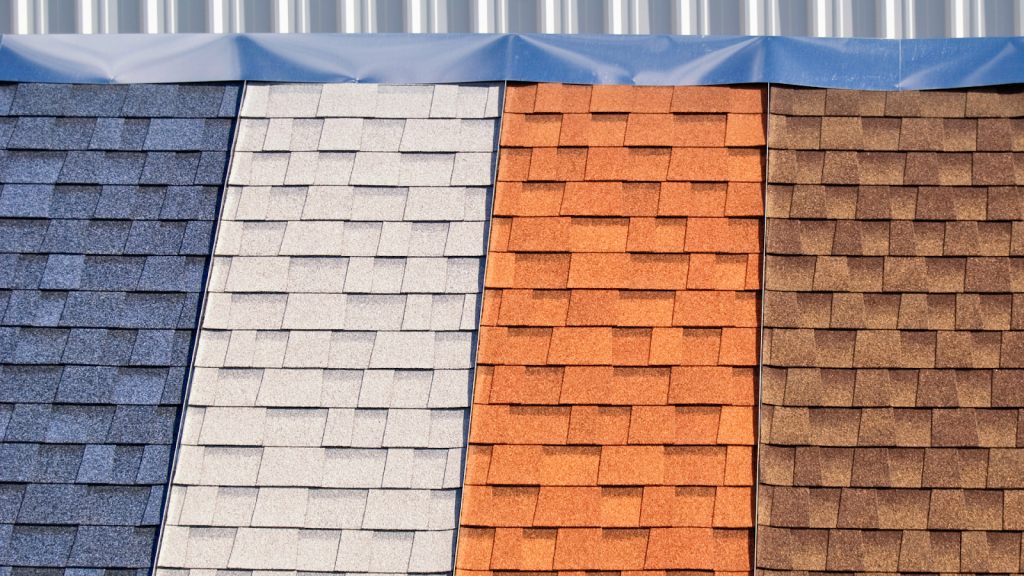
Painting roof shingles involves applying a colored latex or acrylic paint directly to the surface of your asphalt shingles. Typically, homeowners choose this option to change the roof’s color and improve curb appeal. While paint may briefly revive faded shingles, it doesn’t extend the life of the roof or provide significant protection against Texas weather.
For a deeper look at the lifespan of a roof in Texas and the factors that influence it, you can explore how long does a roof last in texas.
What Is Roof Coating?
Roof coating, on the other hand, is a specialized process designed to add a protective membrane over the entire roof. These coatings are formulated to reflect UV rays, resist water penetration, and improve energy efficiency. Unlike paint, roof coatings are often thicker, more flexible, and specifically engineered for use on roofing materials. Properly applied, a quality roof coating can enhance durability, extend your roof’s lifespan, and help reduce cooling costs in Texas’ hot climate.
Key Differences in Performance
- Protection: Paint offers minimal protection, whereas coatings significantly enhance resistance to environmental elements.
- Durability: Coatings are built for longevity and weatherproofing; paint typically flakes and peels.
- Energy Efficiency: Only coatings are designed to help reflect sunlight and regulate attic temperatures.
- Compatibility: Roof coatings are formulated for roofing materials, whereas many paints are not.
Understanding these differences is crucial before deciding whether to paint your roof shingles or invest in a professional roof coating. Each approach has unique implications for your home’s value, longevity, and appearance.
The Pros And Cons Of Painting Shingles On A Roof
Painting roof shingles is often a quick way to refresh curb appeal or delay the need for a complete roof replacement. However, this choice involves more than meets the eye. Here’s what every Texas homeowner should weigh before uncapping that paint or hiring a pro.
Advantages of Painting Roof Shingles
- Enhanced Curb Appeal: A fresh coat of paint can instantly update the look of your home, giving aged or faded shingles new life and improving overall property value.
- UV Protection and Algae Resistance: Specialized roof paints can help protect shingles from harmful ultraviolet rays and inhibit the growth of mold or algae, especially in humid Texas climates.
- Cost-Effective Temporary Solution: Painting may cover up minor discoloration or weathering at a fraction of the cost of new shingles, offering a short-term fix if a full replacement isn’t in the budget.
Drawbacks of Painting Roof Shingles
- Potential for Shortened Shingle Lifespan: Some paints can trap moisture, leading to premature shingle deterioration or voided manufacturer warranties.
- Maintenance and Upkeep: Painted shingles may require regular touch-ups or repainting, as the finish can fade, peel, or crack due to exposure to the Texas sun and extreme weather conditions.
- Limited Structural Benefits: While painting can improve aesthetics, it won’t resolve structural roof issues, damaged shingles, or leaks. In some cases, it may only mask more serious underlying problems.
Common Problems Caused By Painting Your Roof Shingles
Painting your roof shingles might seem like a simple way to refresh your home’s curb appeal or boost protection, but this shortcut can lead to unexpected issues. Before deciding, consider these common problems:
Reduced Shingle Lifespan
Roof shingles are designed to breathe and expel heat. Paint can trap moisture and heat, causing the shingles to deteriorate faster than intended.
Void Warranties
Most shingle manufacturers void their warranties if you paint your roof. That means any premature failures or damages become the homeowner’s responsibility.
Poor Adhesion and Peeling
Roof surfaces face constant expansion, contraction, and weather exposure. Paint often fails to adhere properly, leading to unsightly peeling and flaking that’s tough to repair.
Increased Maintenance
A painted roof requires more upkeep than untreated shingles. You’ll likely need regular touch-ups and cleaning to keep it looking presentable.
Hindered Roof Inspections
Paint can conceal developing issues, such as cracks, granule loss, or leaks, making professional inspections and timely repairs much more difficult.
Potential for Trapped Moisture
Painting over shingles can seal in moisture, contributing to mold growth, wood rot, or underlying structural damage, especially in humid Texas climates.
Preparation And Process: How To Properly Paint Shingles
If you decide that painting your shingles is the right path for your specific situation, the process is far more complex than simply grabbing a brush and a can of exterior house paint. Improper preparation and the use of the wrong materials can instantly negate any potential benefit and hasten roof failure.
The process demands meticulous attention to detail and specialized products:
Meticulous Cleaning and Preparation
The most crucial step is preparation. Any successful paint job, especially on a roof, requires a clean and immaculate surface. This involves:
- Gentle Cleaning: The roof must be cleaned of all dirt, mold, mildew, and moss. This typically requires a gentle, low-pressure wash using specialized detergents. High-pressure washing is strictly forbidden as it can damage the asphalt granules, which are vital for UV protection and water runoff.
- Repair Work: Before painting, every damaged shingle, crack, or loose nail must be repaired. Painting over existing damage will trap moisture and accelerate decay beneath the coating.
- Drying Time: The roof must be completely dry, often requiring 24 to 48 hours of good weather, before any product is applied. Trapped moisture is the enemy of durability.
To learn more about regular upkeep that can extend your roof’s life before painting becomes a consideration, you can read how to care for shingle roofing.
Choosing the Right Specialized Product
Standard exterior paint is unacceptable for asphalt shingles. It is too rigid and will crack, peel, and trap heat. Instead, you must use specialized acrylic elastomeric roof coatings. These coatings are:
- Flexible: They are formulated to stretch and move as the shingles expand and contract with temperature changes, preventing cracking.
- Vapor Permeable: They allow the shingle to “breathe,” letting trapped moisture escape instead of sealing it inside, which would cause blistering and rot.
- UV Resistant: Quality coatings incorporate pigments and additives specifically designed to resist sun damage, often containing ingredients that help reflect heat.
Application Process
The coating is typically applied using an airless sprayer for even and complete coverage, followed by brushing/rolling the edges and difficult areas.
- Manufacturer Guidelines: Strict adherence to the product manufacturer’s recommendations for temperature, humidity, and drying time between coats is essential for activation and curing.
- Multiple Coats: Most effective treatments require at least two full coats to achieve the desired protective thickness and color uniformity.
When Painting Might Make Sense, And When It Doesn’t
For homeowners weighing the question, “Can you paint roof shingles?” it’s essential to recognize that there’s no one-size-fits-all answer. Your unique circumstances, roofing materials, and long-term goals all shape what’s right for your home. Here’s when painting could be worth considering, and when caution should win out.
When Painting Shingles Might Make Sense
- Boosting Curb Appeal Quickly: If your roof is faded but structurally sound, painting can refresh the look of your home for a fraction of the cost of replacement.
- Minor Cosmetic Issues: For shingles with minor discoloration or uniform wear, but no curling, cracking, or significant granule loss, painting can temporarily mask the flaws.
- Reflective Coatings for Cooling: In the Texas heat, specialized white or light-reflective paints can reduce heat absorption, potentially lowering cooling costs.
When You Shouldn’t Paint Shingles
- Underlying Roof Issues: Painting won’t solve problems like leaks, damaged decking, or poor ventilation. If your shingles are curling, cracked, or shedding granules, paint only delays an inevitable replacement.
- Warranty and Insurance Concerns: Many manufacturers void warranties if shingles are painted. Some insurance policies may even restrict coverage on altered roofs.
- Long-Term Value Considerations: Painted roofs typically require ongoing maintenance as coatings fade and peel. Over time, ongoing touch-ups can cost more than a new roof.
- Mismatched Surface Conditions: Certain roofing materials and older asphalt shingles are not compatible with paint, resulting in poor results and potential damage.
Careful evaluation is necessary, and the right choice depends on your roof’s specific condition, not just cosmetic preferences.
Cost vs. Longevity: Is Painting Shingles A Smart Investment?
When considering whether to paint roof shingles, it’s essential to balance upfront costs with long-term benefits. Homeowners often seek cost-saving solutions, but it’s critical to recognize how these decisions impact both the immediate appearance and the lifespan of the roof.
Upfront Costs of Painting Shingles
Painting shingles tends to be less expensive than a full roof replacement. Costs generally include labor, quality exterior paint, and preparatory work. Many homeowners view this as an attractive, budget-friendly way to refresh their home’s appearance, especially if the existing shingles still have some usable life left.
Potential Long-Term Performance
Painted shingles may offer a quick aesthetic upgrade, but coatings don’t restore shingle strength or weather resistance. In fact, improper application or incompatible paint types can limit the shingles’ breathability, trapping moisture and accelerating wear. Over time, this could compromise the integrity of your roof.
Maintenance Requirements
A painted roof isn’t maintenance-free. Sun exposure, wind, and rain can cause paint to fade or peel, requiring touch-ups or full repainting every few years. This added upkeep, especially in the unpredictable Texas climate, can increase total long-term costs.
Impact on Roof Longevity
When shingles are painted, their warranties are often voided. Most manufacturers explicitly advise against painting, citing concerns of premature aging and durability loss. As a result, painted roofs may actually have a shorter useful life than their unpainted counterparts.
Factoring in immediate savings, ongoing maintenance, and potential loss of shingle lifespan is critical before deciding: can you paint roof shingles, and should you?
Better Alternatives To Painting Roof Shingles
Painting isn’t the only solution for worn, faded, or aging shingles. In fact, some methods often provide better long-term value, higher durability, and fewer complications for Texas homeowners.
Professional Roof Cleaning
Sometimes, all your roof needs is a thorough cleaning, especially if moss, algae, or dirt is causing discoloration. Professional roof cleaners use safe, specialized techniques to restore your shingles’ original color without damaging the material.
Roof Replacement
If your shingles are nearing the end of their lifespan or have significant damage, replacing them may be a smarter investment. New shingles offer enhanced curb appeal, improved energy efficiency, and better protection against Texas weather.
Roof Restoration or Rejuvenation
Some services specialize in restoring asphalt shingles using rejuvenating treatments. These penetrate the shingles, restoring flexibility and weather resistance, which can extend the roof’s life without the risks of paint.
Routine Roof Maintenance
Consistent maintenance, such as removing debris, replacing individual damaged shingles, and checking for leaks, can help keep your roof looking its best and functioning optimally for years. Regular upkeep often addresses the cosmetic and functional concerns that make painting seem appealing.
Final Thoughts
Painting roof shingles may seem like a fast, affordable way to refresh curb appeal, but for most homeowners, it’s a temporary fix that can lead to long-term problems. From voided warranties to trapped moisture and ongoing upkeep, the risks often outweigh the rewards. Before choosing paint, take the time to evaluate your roof’s actual condition and consider safer, more durable alternatives, such as roof restoration, cleaning, or a complete replacement when needed. The right choice protects your home, your investment, and your peace of mind.
Read also:
- Curling Roof Shingles? What It Means And How To Fix It Before It’s Too Late
- Leaves On Your Roof? Why Debris Build-Up Could Be Damaging Your Shingles
- What Voids A Roof Warranty (And How To Protect Yours)
Frequently Asked Questions About Painting Roof Shingles: Is It Worth It Or A Costly Mistake?
Does painting shingles affect the roof’s lifespan?
Painting roof shingles can shorten or extend the lifespan of your roof, depending on the materials and methods used. While a high-quality, properly applied coating can offer temporary protection from UV rays and the elements, many paints actually trap moisture in the shingles, causing them to deteriorate faster.
Will painting shingles void my roof warranty?
Most shingle manufacturers state that painting, coating, or altering your shingles in any way can void your roof’s warranty. That means if you experience leaks or storm damage after painting your roof, the manufacturer may refuse to honor your coverage. The expert team at Results Roofing always recommends checking your warranty documentation (or contacting the manufacturer) before moving forward with painting shingles.
What type of paint should be used on roof shingles?
If you’re considering painting your shingles, use only a specialty, 100% acrylic latex exterior paint explicitly designed for roofs. These paints are formulated to withstand the constant exposure to heat, sun, and rain that Texas roofs face. Regular household paint will fail quickly and may cause further damage to the shingles. Still, even the best roof paints carry risks, so it’s essential to consult with a professional to determine whether your roof is a suitable candidate for painting or if replacement is a smarter investment.
Is painting roof shingles a DIY job or should I hire a professional?
While it might be tempting to tackle this as a weekend project, painting roof shingles is best left to professionals. Roof access can be hazardous, and a subpar paint job can lead to significant problems, including leaks, uneven coloration, and reduced shingle lifespan.
How does painted shingles impact home value?
Painting shingles rarely increases a home’s value, especially if the job isn’t done flawlessly. In some cases, painted shingles can signal to buyers that underlying roofing issues are being covered up, or that the roof may be prone to peeling or premature damage. If you’re planning to sell your house and want to refresh your roof, consult Results Roofing first. Our experts will help you make the best decision for curb appeal and long-term property value.
Will painted shingles peel or crack over time?
Yes, even high-quality paints can peel, crack, or blister due to Texas’s harsh sun, dramatic weather changes, and general wear and tear on the roof. Painted shingles may require frequent maintenance or touch-ups, a hassle most homeowners would rather avoid. Results Roofing only recommends painting under very specific circumstances, and always emphasizes long-term performance and homeowner satisfaction above quick fixes.