
Key Takeaways:
- Understanding Costs Helps You Budget Wisely: Roof replacement costs vary based on materials, labor, roof size, and additional expenses, so knowing these factors helps you plan ahead and avoid surprises.
- Smart Choices Can Reduce Expenses: You can save money by comparing quotes, choosing durable yet affordable materials, and scheduling your project during the off-season for better pricing.
- Hiring the Right Contractor Ensures Quality: A licensed, insured, and experienced roofing contractor provides reliable workmanship, preventing costly repairs and ensuring a long-lasting roof.
Replacing a roof is a major home improvement project, and one of the biggest concerns for homeowners is cost. Roof replacement prices can vary widely, depending on factors like materials, labor, and your home’s size. Knowing what to expect financially helps you plan, budget, and make smart choices.
Results Roofing has helped countless Texas homeowners replace their roofs with top-quality materials and expert craftsmanship. With years of experience in the industry, we know what goes into a fair and accurate roofing estimate.
In this guide, we’ll break down everything you need to know about roof replacement costs, what affects the price, how much you might pay, and ways to save money while ensuring quality work.
Factors That Affect Roof Replacement Cost
Roof replacement isn’t a one-size-fits-all project. Several key factors influence the final price:
Size Of The Roof
The larger the roof, the more materials and labor are needed. Roofers calculate pricing based on “roofing squares,” with one square covering 100 square feet. If you have a multi-story home with a complex design, expect additional expenses due to the extra time and effort required.
Roofing Material
Your choice of roofing material significantly impacts the cost. Here’s a quick comparison:
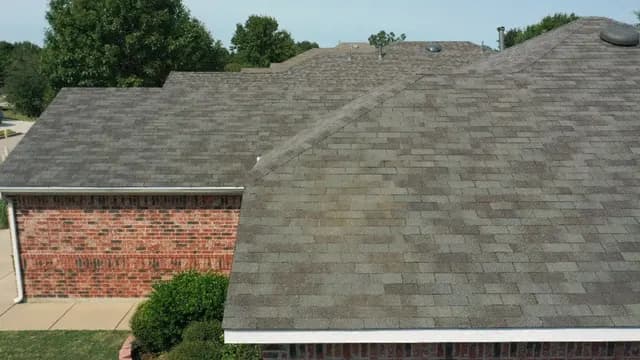
- Asphalt shingles: Asphalt shingles are the most cost-effective and widely used roofing material, making them a popular choice for homeowners on a budget. However, they have a shorter lifespan compared to more durable materials, typically lasting 15 to 30 years.
- Metal roofing: Metal roofing lasts longer than asphalt shingles, with a lifespan of 40 to 70 years. Although expensive initially, it can save money in the long run due to its longevity and low maintenance requirements.
- Tile or slate: Tile and slate roofing provide a premium appearance and exceptional durability, often lasting 50 to 100 years. These materials are among the most expensive, not only because of their cost per square foot but also due to their heavy weight, which may require structural reinforcement.
- Wood shakes: Wood shakes give homes a rustic and natural look, but they are costly and require frequent maintenance. While they can last up to 30 years with proper care, their high price and maintenance demands make them less practical for many homeowners.
Labor Costs
Roofing is labor-intensive, and the cost of skilled labor varies depending on your location. If you live in an area with high demand for roofers, wages will be higher, increasing your overall project cost. Complex installations, such as those involving multiple slopes or unique designs, also raise labor expenses.
Roof Pitch And Complexity
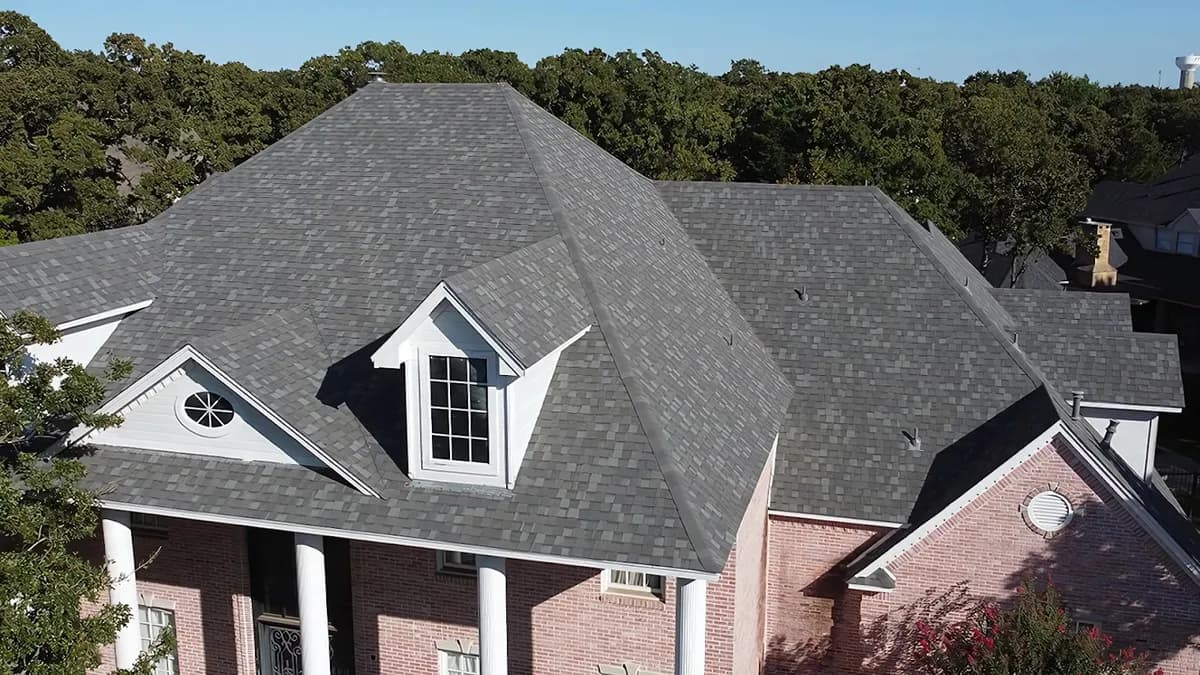
A steep roof requires more safety equipment, specialized skills, and extra time to complete, all of which increase labor costs. Complex designs with dormers, valleys, or multiple angles also require careful planning and additional materials. If your roof has several layers that need removal before installation, this adds both time and expense to the project.
Removal Of Old Roofing
Tearing off an old roof takes time, labor, and disposal fees, which add to the overall cost. Some roofs have multiple layers of shingles that need to be stripped away before new materials can be installed. If underlying damage is found during removal, additional repairs will further raise costs.
Geographic Location
Where you live affects everything from material costs to labor rates. Areas with frequent storms or harsh climates often require stronger roofing materials, which come at a premium. Transportation costs also play a role, as some materials may be more expensive to ship to remote or high-demand areas.
Average Roof Replacement Cost Breakdown
Now that you know what affects pricing, let’s talk numbers. Roof replacement costs can vary widely based on materials, labor, and location, but here’s a general breakdown to help you estimate expenses:
National Average Cost
Most homeowners spend between $5,000 and $15,000 on a full roof replacement. The national average cost sits around $8,000 to $10,000. Luxury materials and complex installations can push costs beyond $25,000.
Cost By Square Foot
Roofers typically charge per “roofing square” (100 square feet). Here’s a rough estimate based on common materials:
- Asphalt shingles: $3.50-$5.50 per square foot
- Metal roofing: $7-$15 per square foot
- Wood shakes: $6-$10 per square foot
- Tile roofing: $8-$20 per square foot
- Slate roofing: $10-$30 per square foot
For an average 2,000-square-foot roof, expect to pay:
- $7,000-$11,000 for asphalt shingles
- $14,000-$30,000 for metal
- $16,000-$40,000 for high-end slate or tile
Cost Breakdown By Roofing Material
Each material has different upfront and long-term costs. Here’s a quick comparison:
Roofing Material
Average Cost (per square foot)
Lifespan
Maintenance
Asphalt Shingles
$3.50-$5.50
20-30 years
Low
Metal Roofing
$7-$15
40-70 years
Low
Wood Shakes
$6-$10
30-40 years
High
Tile Roofing
$8-$20
50-100 years
Low
Slate Roofing
$10-$30
75-200 years
Low
Asphalt shingles are the most cost-effective, while premium materials like slate and metal come with a higher upfront price but last much longer.
Additional Expenses When Replacing A Roof
A roof replacement involves more than just shingles and labor. Several additional costs can impact your final bill:
Permits And Inspections
Many cities and counties require permits for roof replacements. Fees vary based on location but typically range from $150 to $500. Some areas also require post-installation inspections, which may come with additional costs.
Structural Repairs
If your roof’s decking (the wooden base beneath the shingles) is damaged, it must be replaced before installing a new roof. This can add $1,000 to $3,000 to your project, depending on the extent of the damage. Other structural repairs, such as fixing rotted rafters or reinforcing weak areas, can further increase costs.
Gutter And Flashing Replacements
Flashing (metal strips that seal joints and edges) may need replacement, especially around chimneys and vents, costing between $200 and $500. Gutters and downspouts might also need replacing if they are old or damaged, with a full replacement costing $1,000 to $2,500.
Waste Disposal And Cleanup
Old roofing materials need to be hauled away, which adds disposal fees. Many roofing companies include this in their estimate, but if not, renting a dumpster for debris removal costs $300 to $600.
Energy-Efficient Upgrades
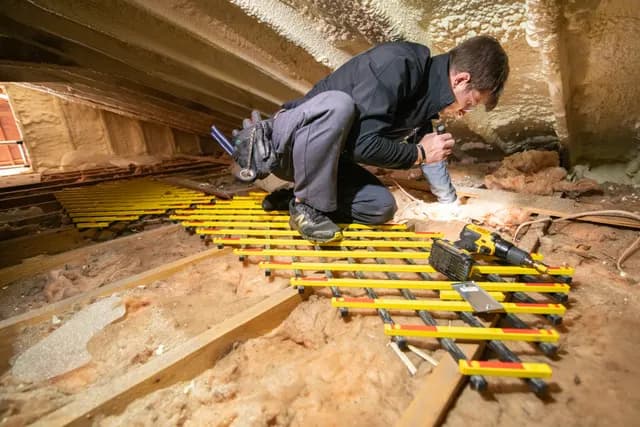
If you’re looking to improve insulation and reduce energy costs, you may consider adding radiant barriers, additional attic insulation, or cool roofing materials that reflect sunlight. These upgrades can cost anywhere from $500 to $3,000 but help save on long-term energy bills.
How To Save Money On Roof Replacement
A roof replacement is a big investment, but that doesn’t mean you have to overspend. With careful planning and smart choices, you can cut costs without sacrificing quality. Here are some expert tips to help you save money on your roof replacement:
- Choose Cost-Effective Materials: Premium materials like slate or tile look great but cost significantly more. If you’re on a budget, consider architectural asphalt shingles, metal roofing alternatives, or composite roofing.
- Time Your Roof Replacement Right: The time of year can impact roofing costs. Spring and summer are peak seasons, meaning higher labor prices and longer wait times. Consider scheduling your replacement during late fall, when contractors may offer discounts to fill their schedules.
- Check for Insurance Coverage: If your roof was damaged by storms, hail, or fallen debris, your homeowner’s insurance may cover part or all of the replacement costs. Contact your insurer to see if your policy applies and file a claim if applicable.
- Look for Manufacturer and Contractor Discounts: Some roofing manufacturers offer rebates or special pricing on materials. Roofing companies may also run promotions or financing options, especially during off-peak months. Always ask about available discounts.
- Consider a Partial Roof Replacement: If only part of your roof is damaged, you might not need a full replacement. A professional inspection can determine if a partial replacement or repair is a more cost-effective option.
Choosing The Right Roofing Contractor
Selecting the right contractor is just as important as choosing the right roofing materials. A skilled, trustworthy roofer ensures a quality installation, preventing costly repairs down the road. Here’s how to find the best roofing professional for your project:
Check Licenses And Certifications
A reliable roofing contractor should have a valid business license, insurance coverage, and manufacturer certifications. A license confirms that the contractor meets state and local requirements, while insurance protects you from liability in case of accidents. Manufacturer certifications indicate specialized training in specific roofing materials.
Never hire a contractor who refuses to provide proof of these credentials.
Read Reviews And Ask For References
Before hiring, research the contractor’s reputation. Online reviews on Google, Yelp, and the Better Business Bureau (BBB) can provide insight into their reliability. Ask for references from past clients and contact them to discuss their experience. If a contractor has frequent complaints, lacks an online presence, or refuses to share references, these could be red flags.
Get A Detailed Written Estimate
A professional roofer should provide a clear, itemized quote. This should outline material costs, labor fees, cleanup and disposal charges, the estimated project timeline, and warranty details. A vague estimate leaves room for unexpected charges, so make sure everything is documented.
Ask The Right Questions
Before signing a contract, ask about the company’s experience and warranties. Find out how long they have been in business and whether they have worked with your roofing material before. Ask if they remove the old roof before installing the new one and how they handle unexpected repairs. A reputable contractor will answer these questions in detail and with confidence.
Avoid Scams And High-Pressure Sales Tactics
Be cautious of contractors who approach you after storms, promising fast, cheap repairs. Watch out for cash-only deals and companies that demand full payment upfront. A legitimate roofing business will accept multiple forms of payment and require only a reasonable deposit before starting work. Trustworthy contractors focus on quality, not high-pressure sales tactics.
Final Thoughts
Replacing a roof is a significant investment, but understanding the costs involved allows you to plan wisely. Factors such as materials, labor, roof size, and additional expenses like permits and structural repairs all contribute to the final price. However, by comparing quotes, selecting cost-effective materials, and timing your project strategically, you can reduce expenses without sacrificing quality.
Choosing a licensed, insured, and experienced contractor ensures proper installation and long-term durability. Taking the time to research, ask the right questions, and secure a detailed estimate will help you avoid unnecessary costs and poor workmanship. With careful planning, you can make informed decisions and invest in a roof that protects your home for years to come.
Read also:
- How Long Should Your Roof Last With Proper Care?
- Benefits of Regular Roof Inspections for Your Home
- Are You Ready for Texas Spring?: A Guide to Keeping Your Roof Safe During Tornado Season
Frequently Asked Questions About Roof Replacement Costs
How do I know if I need a full roof replacement or just a repair?
If your roof has widespread damage, frequent leaks, or shingles that are curling, cracking, or missing, a full replacement is likely needed. Minor issues like a few missing shingles or small leaks can often be fixed with repairs. A professional roof inspection can determine whether a repair or replacement is the best option.
How much does it cost to replace a portion of a roof?
The cost to replace a portion of a roof depends on the size of the area, materials, and labor, but most partial roof replacements range from $1,000 to $5,000. Small repairs covering 100 to 300 square feet tend to cost less, while more extensive replacements covering half the roof may approach full replacement costs. Roofers typically charge a minimum service fee, so minor repairs may still be costly.
Is it cheaper to reroof over existing shingles instead of tearing them off?
Reroofing (installing a new layer over existing shingles) can save money on labor and disposal fees, but it’s not always recommended. If your roof has structural issues, water damage, or multiple layers of shingles, a complete tear-off is necessary. Skipping tear-off can also shorten the lifespan of the new roof and void manufacturer warranties.
What is the most expensive part of a new roof?
Labor is often the most expensive part of a roof replacement, making up 60% or more of the total cost. Structural repairs, such as replacing damaged decking or fixing rafters, can also add significantly to the price.
How long does it take to replace a roof?
Most roof replacements take between one and three days, depending on the size of the roof, material used, and weather conditions. Larger or more complex roofs with steep slopes or intricate designs may take longer. Delays can occur due to unforeseen repairs, material availability, or weather interruptions.
How does roof color impact the cost and efficiency of a replacement?
Lighter-colored roofs reflect more sunlight, helping to reduce cooling costs in hot climates. Dark-colored roofs absorb more heat, which can be beneficial in colder climates but may increase energy bills in warmer regions. While color itself doesn’t significantly impact material costs, some specialty coatings or reflective materials may add to the overall price.