
Key Takeaways:
- Prep is Prevention: Winter roof maintenance tips center on clearing gutters and debris in autumn to prevent ice damming and water pooling, which are primary causes of winter leaks.
- Vulnerability Points: Focus inspections on the roof’s weak spots, including vents, chimneys, and metal flashing, to ensure all seals and caulking are intact and block moisture intrusion.
- The Attic Connection: Proper attic ventilation and insulation are crucial winter roof preparation steps, as they regulate roof temperature and prevent heat loss that leads to snow melting and refreezing, resulting in the formation of destructive ice dams.
Texas winters can be unpredictable, with sudden temperature drops, bouts of heavy rain, and the occasional hailstorm, catching even the most vigilant homeowners off guard. While you might think roof maintenance is a spring or summer chore, neglecting your roof during the winter months can lead to costly repairs down the road, or worse, turn minor wear and tear into full-blown emergencies. That’s why winter roof maintenance should be at the top of every homeowner’s seasonal checklist.
At Results Roofing, we understand the unique challenges Texas weather presents. As local, licensed roofing experts serving Dallas, Fort Worth, Houston, Austin, San Antonio, Temple, and the surrounding areas, we’ve helped countless clients navigate everything from minor leaks to catastrophic storm damage, always with an unwavering focus on durability, energy efficiency, and peace of mind. We believe that proactive care and expert guidance are the keys to a long-lasting, resilient roof.
In this guide, we’ll share our essential winter roof maintenance tips, honed over years of protecting homes and businesses in Texas. You’ll discover why regular attention makes all the difference in avoiding hidden damage, maximizing insurance claims, and keeping your home safe and sound, no matter what the season throws your way.
Essential Winter Roof Maintenance: Why Preparation Matters
A Texas winter may not always bring blizzards, but colder temperatures, storms, and occasional ice can take a toll on your roof. Proactively preparing your roof for winter safeguards your home from avoidable damage and helps maintain its value throughout the toughest months. Here’s why your preparation now makes a difference:
Spotting Hidden Damage Before It Escalates
Small cracks, loose shingles, or early signs of water intrusion can worsen with winter’s colder, wetter conditions. Early detection allows you to address vulnerabilities before they become more expensive repairs, and prevents problems like leaks or insulation damage.
Preventing Costly Water and Ice Intrusion
Even Texas can experience freezing rain or rare ice storms. Ensuring proper drainage and intact flashing helps stop water or melting ice from seeping under shingles and causing rot, mold, or interior water damage. For advice on managing structural issues, consider consulting our guide on roof restoration.
Preserving Energy Efficiency
Gaps, missing shingles, or inadequate insulation let precious heat escape, making your home less efficient and driving up energy costs. A well-sealed, checked roof keeps warm air in, reducing winter energy bills and making your living space more comfortable.
Protecting the Whole Property—Not Just the Roof
A winter-ready roof also means checking the condition of gutters, siding, windows, and other exterior features. Maintenance in these areas keeps the entire home envelope secure from winter weather, thereby minimizing the risk of further property damage in the event of severe weather.
Getting Ahead of Insurance Issues
Thorough inspections before winter help you identify and document existing issues. This clear record streamlines potential insurance claims and can speed up repair processes if winter weather causes new damage.

Before Winter: Critical Autumnal Roof And Gutter Cleaning
As Texas temperatures dip, autumn presents a narrow but vital window to safeguard your roof ahead of winter’s harsher demands. Proactive cleaning and inspection now can help prevent costly repairs and minimize the risk of weather-related emergencies during the colder months.
Remove Leaves and Debris
Fallen leaves, twigs, and other debris quickly accumulate in gutters and on top of shingles. If left unaddressed, these blockages impede water flow, causing pooling or ice dams, common culprits of winter roof leaks.
Inspect and Unclog Gutters
Gutters serve as your roof’s drainage system. Clearing them out is critical: blockages can lead to overflows that damage soffits, fascia, and even your home’s foundation. Check downspouts for clogs and ensure all attachments are securely in place.
Check for Early Signs of Damage
Autumn is the time to look for cracked, curling, or missing shingles, as well as damaged flashing. Early identification means issues can be fixed before winter storms introduce more serious leaks or structural concerns.
Trim Back Overhanging Branches
Trees can drop additional debris, but more importantly, overhanging branches are prone to snapping under the weight of winter ice or high winds. Trimming them back helps keep your roof’s surface clear and minimizes the risk of punctures or shingle displacement.
Inspecting Vents And Flashing: Sealing Entry Points For Moisture
Texas winters may not bring heavy snow, but cold rain, wind, and sudden temperature drops can exploit even small roof vulnerabilities. Vents and flashing are common problem areas; unchecked, they allow moisture intrusion that leads to insulation damage, mold, and even costly structural repairs. Taking time for targeted inspection and maintenance helps defend your home from these risks.
Examining Roof Vents for Gaps or Cracks
Roof vents are vital for ventilation, but worn seals or aging material can create small openings around their bases. During your roof walkaround, check that vent collars or rubber boots are snug and intact. Look for cracks, rust, or signs of separation, replacing deteriorated components or resealing gaps early prevents leaks before they start.
Flashing Condition and Placement
Flashing, typically thin metal installed along valleys, around chimneys, and where roof lines meet vertical surfaces, acts as a barrier against water. Inspect its edges and seams for any signs of lifting, warping, or missing segments. Even slightly loose pieces can allow moisture to channel under your shingles. Minor fixes may involve resealing with roofing caulk; severe issues might need professional replacement or realignment.
Sealing and Caulking Touch-Ups
Spotting aged or missing caulking where vents and flashing meet the roof surface signals an invitation for water infiltration. Scrape away old, cracked sealant and apply a fresh, weatherproof caulk designed for exterior roofing. This simple step strengthens your roof’s defense system and blocks water from entering during winter storms.
Attic Ventilation And Insulation Checks For Winter Durability
As winter approaches in Texas, ensuring your attic is adequately ventilated and insulated is crucial for maintaining the integrity of your roof. Focusing on these critical elements helps prevent costly problems and keeps your home energy efficient during the coldest months.
Assess Airflow and Exhaust
Inspect attic vents for blockages and debris. Clear soffit, ridge, or gable vents to maintain steady airflow. Adequate ventilation prevents moisture buildup, which can lead to mold, wood rot, and ice damming.
Inspect Insulation Quality
Check for gaps in attic insulation, especially near rafters and eaves. If insulation appears compressed or uneven, consider adding more to achieve the recommended thickness and full attic coverage. Even layers help keep indoor temperatures consistent and support energy efficiency.
Look for Moisture and Mold
Scan for wet spots, discoloration, or musty odors along attic beams and insulation. These may indicate poor ventilation or roof leaks. Address moisture quickly to avoid structural issues and health risks.
Seal Gaps and Penetrations
Ensure that any pipes, wiring, or ducts entering the attic are well sealed. Small gaps can let in cold air or allow warm air to escape, undermining insulation efforts and elevating heating costs. Caulk or expand foam can be effective for small penetrations.
Monitor During and After Storms
After severe weather, recheck your attic for signs of new leaks or water intrusion. Ongoing monitoring through the winter ensures that ventilation and insulation continue to perform their roles reliably.

Common Winter Roof Problems And How To Avoid Them
As Texas winters bring unpredictable weather, your roof can face numerous challenges. Staying aware of the most common winter issues empowers homeowners to take action early, protecting both their roof and home value. Below are the key roof problems to watch for, along with simple ways to avoid them.
Ice Dams
When heat escapes through your attic, it can melt snow on the roof, which then refreezes at the eaves, creating ice dams. These blockages force water under shingles, eventually leading to leaks.
How to avoid: Improve attic insulation and ventilation. Regularly clear gutters and downspouts to allow proper drainage and prevent melting snow from freezing along the roofline.
Condensation in the Attic
Warm, moist indoor air can meet the colder underside of your roof deck, resulting in condensation. Over time, this excess moisture can lead to mold growth and structural damage.
How to avoid: Ensure your attic has sufficient ventilation. Use vapor barriers and maintain consistent indoor humidity levels throughout the winter.
Shingle Damage
Winter storms, hail, and heavy winds may crack, curl, or loosen asphalt shingles, exposing your roof to water intrusion and further wear. For tips on daily care, review our guide on how to care for shingle roofing.
How to avoid: Inspect your roof regularly, especially after storms have passed. Replace damaged shingles promptly to maintain your roof’s protective shield.
Flashing Leaks
Flashing, the thin metal installed around chimneys, vents, and valleys, can loosen or rust in winter weather, allowing water to seep into your home.
How to avoid: Check for flashing during seasonal inspections and reseal or replace it as needed to prevent leaks before they occur.
Clogged Gutters
Fallen leaves, ice, and debris frequently block gutters, causing water to back up and spill onto your roof or siding.
How to avoid: Clean gutters multiple times during the winter. Consider installing gutter guards to prevent debris accumulation.
By recognizing these issues early and taking prompt action, you can reduce repair costs, maintain energy efficiency, and keep your home protected throughout the winter.
What To Do After A Winter Storm (Damage Checklist)
When winter weather sweeps through Texas, it’s crucial to check your property for damage, even if it doesn’t look obvious at first glance. Acting quickly helps you catch issues before they turn into more costly repairs. Here’s a focused checklist to guide your post-storm inspection:
Inspect Your Roof Thoroughly
Begin with a visual scan from the ground to identify missing shingles, obvious gaps, or visible debris. Use binoculars if possible. Look for dented, cracked, or curling shingles, especially near roof edges or valleys where ice can accumulate.
Check Gutters and Downspouts
Examine gutters and downspouts for blockages, sagging, or visible ice dams that can cause water backup. Ensure all parts are securely attached and drain away from your home’s foundation.
Examine Attic and Ceilings
Head inside and check for water stains, damp insulation, or musty odors in attics and on upper-level ceilings. These can be early indicators of a roof leak.
Survey Siding, Windows, and Exterior Trim
Walk the perimeter to spot cracked siding, broken trim, or damaged window sills. Ice, wind, and hail can impact more than just the roof.
Check Fencing and Outbuildings
Don’t forget detached structures. Look for broken fence boards, knocked loose posts, or damage to sheds and garages. Freezing rain and wind can weaken connections and fasteners.
Inspect Vehicles and Other Property
If vehicles, patio furniture, or other outdoor assets were exposed to the storm, check for hail dents or broken glass. Document any notable damage.
Document Everything
Photograph any damage immediately, both close-ups and wide shots. This provides a thorough record if you need to submit an insurance claim.
Photograph any damage immediately, both close-ups and wide shots. This provides a thorough record if you need to submit an insurance claim. Knowing the age of your roof and what to expect from it is also important; for more information, check our guide on how long does a roof last in texas.
Schedule Your Pre-Winter Roof Maintenance Inspection With Results Roofing
Don’t leave the integrity of your roof to chance this winter. The most effective way to protect your home against ice dams, heavy snow loads, and wind damage is through a professional, comprehensive pre-winter roof maintenance inspection.
At Results Roofing, we specialize in identifying the subtle vulnerabilities that only experienced professionals can spot, such as loose flashing, minor seal compromises, and ventilation issues that can turn into expensive emergencies once the freeze sets in.
Why Book Your Inspection Now?
- Ice Dam Prevention: We inspect your gutters and assess your ventilation to prevent the conditions that cause destructive ice dams.
- Leak Security: We meticulously inspect all critical penetration points, vent pipes, chimneys, and flashing, to ensure a complete seal against winter moisture.
- Peace of Mind: Enter the winter season with the confidence of knowing your roof has been professionally certified as storm-ready.
Final Thoughts
Winter may be mild in Texas, but the risks to your roof are real. A little preparation now, such as cleaning gutters, checking ventilation, sealing vulnerable areas, and inspecting after storms, can prevent costly repairs and preserve your home’s long-term value. With proactive care and expert support from Results Roofing, homeowners can confidently enter the colder months knowing their roof is protected, energy-efficient, and ready for whatever the season brings.
Read also:
- 5 Reasons You Shouldn’t DIY Your Roof And Why A Professional Roofer Is The Safer Choice
- What Voids A Roof Warranty (And How To Protect Yours)
- Leaves On Your Roof? Why Debris Build-Up Could Be Damaging Your Shingles
Frequently Asked Questions About Winter Roof Maintenance Tips Every Homeowner Should Follow
How often should I inspect my roof in winter?
It’s best to inspect your roof at least twice during the winter, once at the start of the season and again after any significant storm. Regular checks help catch issues before they become costly repairs.
What are common winter roof problems?
Common winter issues include ice dams, missing or broken shingles, clogged gutters, and leaks caused by the expansion and contraction of roofing materials.
How can snow and ice damage my roof?
Snow and ice add weight and can cause ice dams, which force water under shingles, leading to leaks and water damage. Repeated freeze-thaw cycles can also cause shingles and flashing to crack.
How do I safely remove snow from my roof?
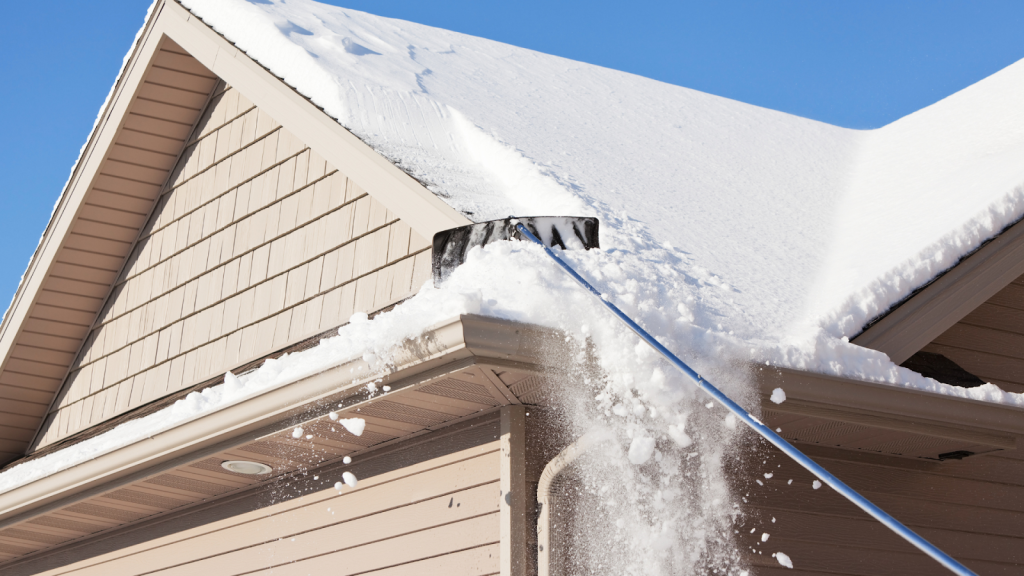
Always use a roof rake with a long, telescoping handle while standing safely on the ground. Avoid climbing on the roof, as it can be slippery and dangerous in winter conditions.
What signs of roof damage should I look for in winter?
Look for loose or missing shingles, sagging areas, icicles along the eaves, interior water stains, and debris or granules in gutters; these all indicate potential roof issues.
How do I prevent attic condensation in winter?
Properly insulate and ventilate your attic to keep warm air from meeting cold surfaces and creating condensation. Check for blocked vents and consider installing ridge or soffit vents for better airflow.