
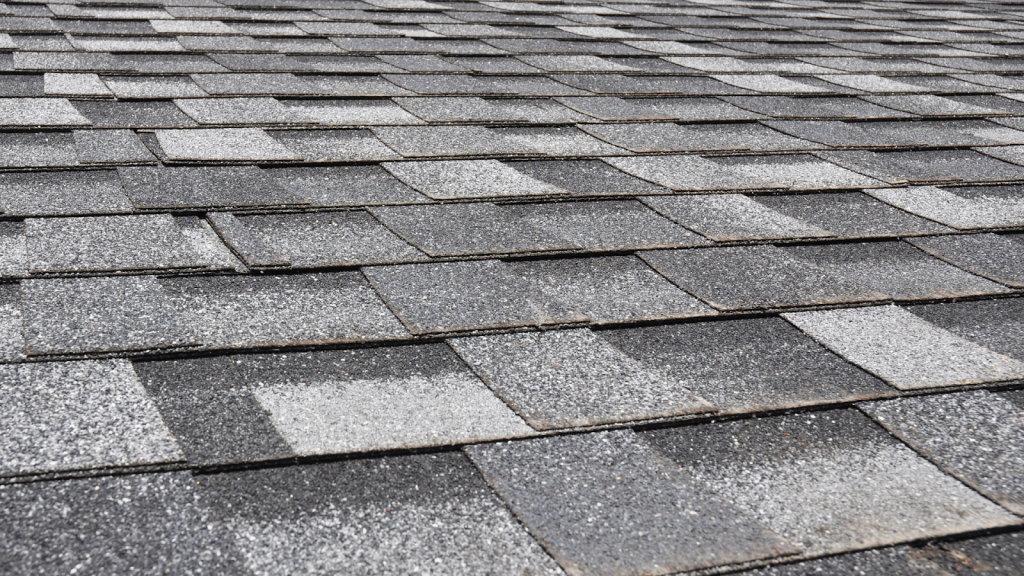
Everyone knows about shingled roofs, but what roofing materials are there when shingles simply don’t work? If you have a flat roof or low-slope roof, you’ve probably found yourself asking this exact question.
There are plenty of materials to choose from for a flat roof: TPO, EPDM, PVC, and more. Each has its own benefits, trade-offs, lifespan, and cost. This guide breaks down how flat and low-slope roofs work, the primary material choices, and how to choose the right option for your home.
What Does “Flat Roof” Mean?
The term “flat roof” can be a bit misleading; no roof is actually flat. What most people call a flat roof is really a low-slope roof. It sits at just enough of an angle that it won’t hold water, but appears flat to the eye. Depending on the flat roof’s material, it may rise anywhere from 2-4 inches for every foot in length.
You may be wondering, why would a home have a flat roof at all? While they may sound impractical, they’re more common than most expect. In some cases, flat roofs are a design choice. In others, they’re used over garage additions, carports, porches, or sunrooms.
Primary Flat Room Materials
Traditional, steep-sloped roofs rely on gravity to prevent water damage. Water runs off these roofs before it can cause significant damage. Low-slope roofs, however, don’t move water as quickly. Instead of instantly shedding water, the water slowly moves off the roof. Because of this, they need to be constructed from a water-tight material to prevent leaking.
Low-slope and flat roof materials generally fall into a few categories: single-ply materials, modified bitumen, built-up roofing, and metal. Read on to learn how each performs and the trade-offs to consider.
TPO
TPO, or thermoplastic polyolefin, is one of the most commonly used single-ply materials on flat roofs. It’s both lightweight and affordable. This flat roof material is typically installed in large, welded sheets with minimal seams to reduce the likelihood of leaks. Its white surface reflects UV rays, rather than absorbing them. This can help lower cooling costs significantly in hot regions like Texas.
In terms of drawbacks, TPO can vary greatly in terms of quality. It’s essential to choose a high-quality option and have it professionally installed by an expert.
EPDM
EPDM is a synthetic rubber that’s been used in low-slope roofing for decades. It performs well in hot and cold weather, which makes it a popular choice for additions and porch roofs. The material is quite flexible and can hold up for 25-30 years without cracking.
On the other hand, most EPDM has a black surface, which absorbs heat rather than reflecting it. Because EPDM seams are joined with adhesive or tape, rather than welded shut, it can be subject to more leaking than TPO.
PVC
PVC is a thick material that’s typically reinforced with polyester or fiberglass when used on a roof. It’s highly puncture resistant and can stand up to tree branches and foot traffic. Plus, its white surface is reflective and easy on energy bills.
The downside of PVC is its pricepoint. It typically costs more than TPO, so it’s not a very common choice for residences.
Modified Bitumen
Modified bitumen is an asphalt flat roof material that has been reinforced with polymers to add toughness, flexibility, and UV resistance. It’s installed in overlapping sheets and adhered using hot asphalt or peel-and-stick backing, so it tends to resist leaks fairly well. Some modified bitumen roofing materials can be made to match existing roof shingles, which is a huge help when used for additions.
Modified bitumen roofs aren’t inherently UV-resistant, which can be a problem in the hot Texas sun. If you do opt for a modified bitumen flat roof, look for UV-resistant cap sheets for added protection.
Built-Up Roofing
Built-up roofing, also known as BUR, is made of alternating layers of felt that’s been saturated with asphalt. On the outer surface, it’s covered with a layer of gravel or mineral surfacing, which protects from UV rays, as well as adds fire resistance and stability.
BUR has been used on flat-roofed homes for generations, but today it’s not as popular as more simple single-ply and modified bitumen roofing materials. It adds weight to the roof, is more labor intensive to install, and generally costs more upfront.
Metal Roofing
Metal is a good choice when a roof has enough slope to shed water. When it’s installed correctly, it can last between 30 and 50 years without leaks. It also stands up well to hail and other types of storm damage. Rather than tearing or cracking, it simply dents.
That said, if a roof doesn’t have enough slope, metal is a poor choice. Its seams aren’t designed to handle standing water. Some also dislike the louder sound of rain and hail hitting a metal roof.
What to Consider When Selecting Your Flat Roof Materials
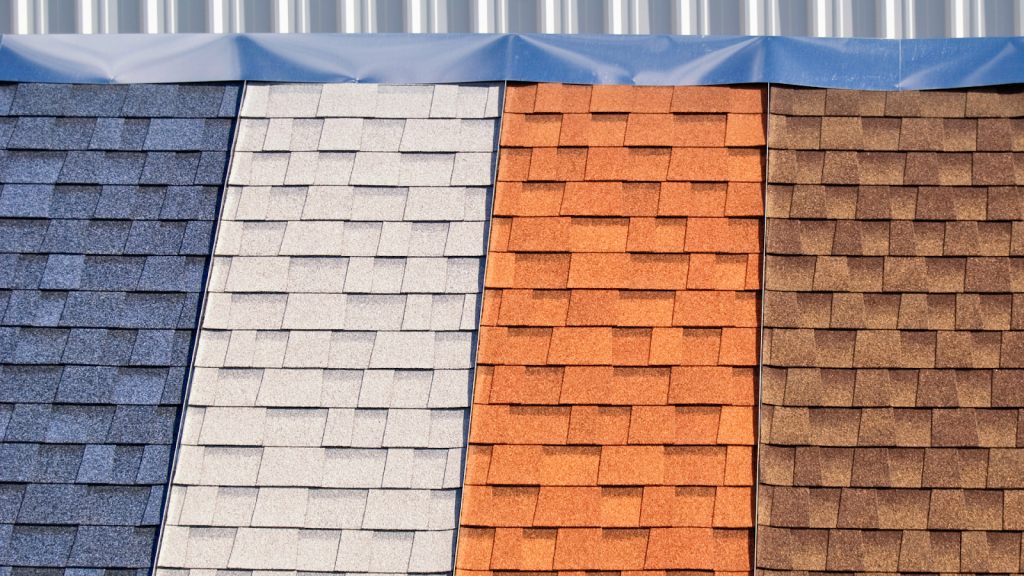
There are plenty of options when it comes to flat roof materials. To decide which works best for you, it’s important to consider the factors your roof will be exposed to.
Heat and UV Exposure
Flat roofs experience more sun exposure than others. Unlike pitched roofs, which spend most of the day exposed on one side and shaded on another, a flat roof faces the sun all day long. That constant exposure accelerates deterioration. Any material that isn’t specifically formulated to resist sun exposure won’t last. That’s why light-colored, UV-stabilized roofs outperform darker, less UV-resistant flat roof materials.
Hail Resistance
Texas is the most hail-prone state in the US, with an average of 650 hailstorms across the state each year. Whatever material you select needs to be able to withstand these impacts. That’s why flat roofs in Texas tend to have fiberglass or polyester backings, thicker mil ratings, and other features that improve impact resistance.
Drainage
Standing water is the enemy of low slop and flat roofs. It can shorten lifespan and lead to leaks around the edges, like where your roof meets a wall or chimney. Selecting the right materials, setting up a good drainage system, and ensuring your roof has enough of a slope to prevent standing water are essential.
Choose the Right Roof for Your Home
The right flat roof material depends on a range of factors: the exact angle of your roof, your budget, your roof’s anticipated lifespan, and how much maintenance you’re willing to do. More importantly, each home has different needs. A porch cover needs to behave differently than an addition that intersects with a pitched roof or a fully flat-roofed home. That’s why it’s important to talk to a roofer who works in Texas before making serious decisions.
Results roofing installs and maintains flat and low-slope roofs on homes across the Texas area. We’re happy to walk through your property, talk about which roofing material fits your budget, and give you a recommendation. Contact us today to talk through your options.