
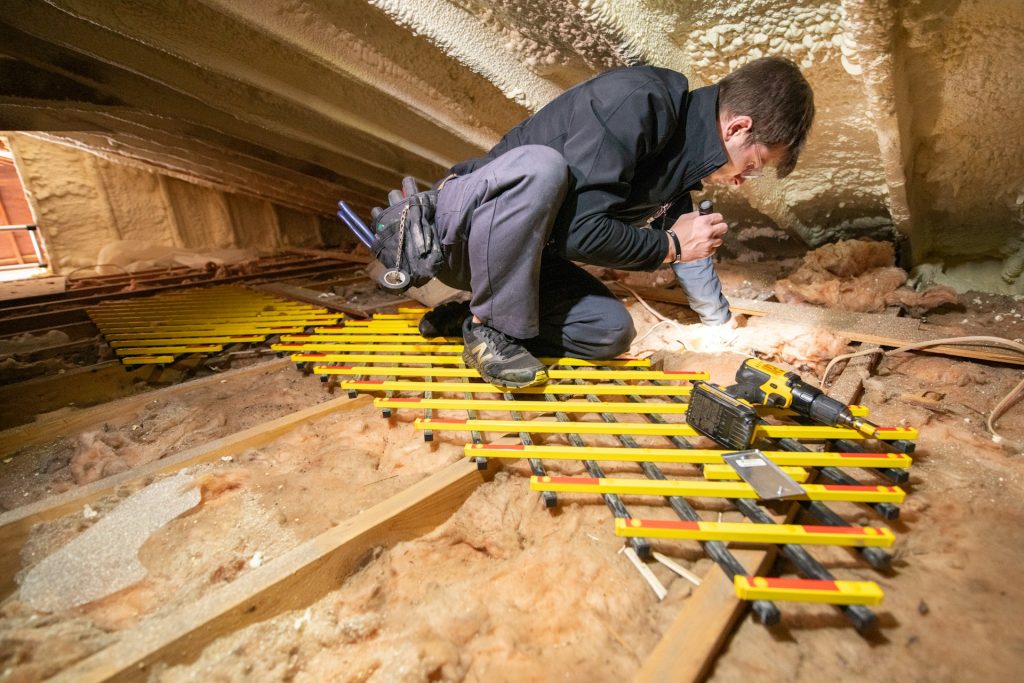
If you’re preparing to list your home in Texas, it’s important to consider the condition of your roof. Roofing problems are one of the most significant concerns that buyers and sellers have, and for good reason. They can seriously impact the results of your sale and, in some cases, may be the reason a sale falls through.
Don’t get caught off-guard by the condition of your roof. Read on to learn all about how an inspection works, how the results affect buyers and sellers, and how to get the best possible outcome for your sale.
Why Roof Conditions Matter
A roofing inspection is a standard part of nearly every Texas home sale. Any buyer who makes an offer on your home will have a licensed inspector evaluate the condition of your roof and flag roofing issues. Roofing problems are among the most common and most expensive items that appear on home inspection reports. In these cases, it may be better to replace the roof before selling the house, rather than leaving it up to the buyer.
How Poor Roof Conditions Affect Sellers
A documented roof issue during the inspection can affect the seller in a few ways:
- Lower purchase price: At the end of the day, buyers aren’t willing to pay as much when a roofing issue is present. Whether structured as a closing credit or reduced sale price, the seller typically has to make a concession based on a contractor estimate.
- Sale falls through: Sometimes, a buyer may not be willing to purchase a home if the roofing concern is significant enough.
How Poor Roof Conditions Affect Buyers
Even if a buyer wants to purchase a home, an older or damaged roof can affect whether the buyer is able to obtain financing to purchase the home at all.
This typically happens due to an insurance coverage issue. The buyer needs an active homeowners insurance policy to receive a loan. Many insurance companies in Texas aren’t willing to issue coverage when a roof’s condition is too poor. If the insurer won’t issue a policy, the buyer’s lender won’t issue the loan.
What an Inspector Looks For on a Roof
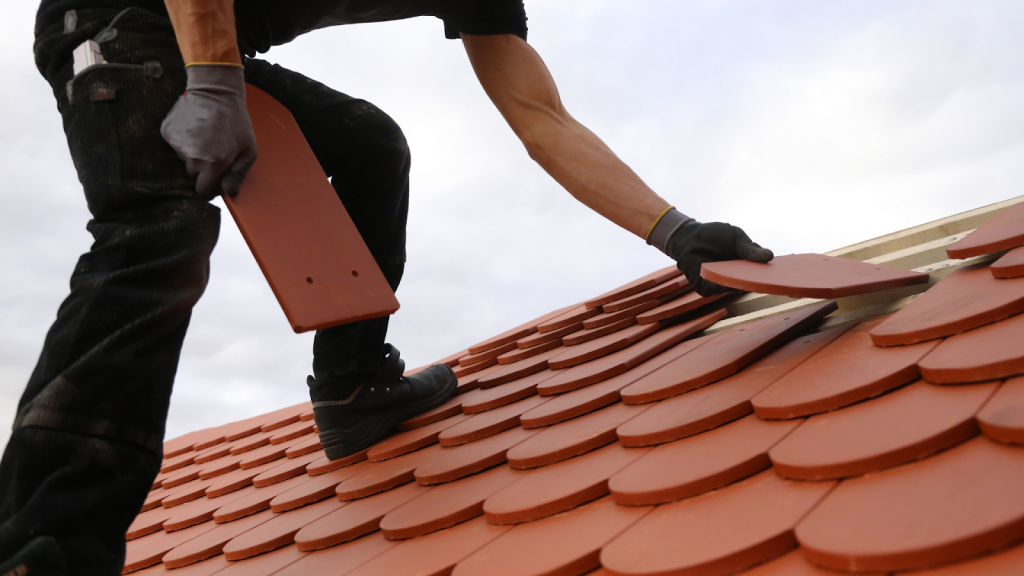
During a roof inspection, inspectors typically look for any obvious issues with the roof. These include:
- Signs of wear: On a shingle roof, they’ll look for missing or curling shingles which will need replacement. On an asphalt roof, an inspector will assess the condition of the protective coating. Significant granule loss is a sign that the coating will need to be replaced soon.
- Structural concerns: Dips or sagging in the roofline suggest that there has been a leak or that roof supports are becoming weak.
- Signs of future leaks: Rusted and cracked flashing are the most common sources of roof leaks. An inspector will look for both.
- Attic condition: Lastly, they’ll get in your attic and look for signs or current or past leaks, as well as light coming through the decking.
How Buyers and Agents Use a Roofing Report
Once a roof issue appears in an inspection report, agents see an opportunity to negotiate. They may request a price reduction, ask for repairs, or seek a credit at closing. Here’s how it works:
- Estimate: First, the buyer will obtain an estimate from several contractors for a repair or replacement.
- Request: Next, the estimate will be presented to the seller.
- Concession: The buyer will either ask for a price reduction or a credit that can be applied toward the work later. A common starting point is an even split of the cost of replacement between the buyer and the seller.
Get a Pre-Listing Roof Inspection from Results Roofing
Roofing concerns are a nasty surprise for buyers and sellers alike. Rather than being caught off-guard after an offer has already been made, it’s a good idea to obtain a pre-listing roof inspection. For sellers, this can give a good idea of how a home inspector will evaluate their roof before a contract is in place.
A pre-listing roof inspection gives a seller a few advantages:
- Good condition: If the roof is in good condition, documentation from the inspection can be shared with prospective buyers early in the process. Not only might it compel the buyer to purchase, but it also creates a feeling of trust and transparency that can positively influence the sale.
- Minor issues: If the pre-listing inspection flags a few minor issues, they can be addressed before listing the home, rather than during the negotiation period.
- Significant issues: If the pre-listing roof inspection identifies significant issues, the seller can decide how to handle it on their own terms, rather than being cornered by a buyer and their agent. That may mean replacing the roof before selling the house or pricing the home according to the roof’s condition and disclosing the report.
Ready to get started? Results Roofing offers a free, no-fee, no-obligation roof inspection in the Dallas Fort Worth and Houston areas. We’ll evaluate your roof using the same criteria a buyer’s inspector would, then provide you with a clear understanding of its condition. Contact us today to schedule your free inspection.