
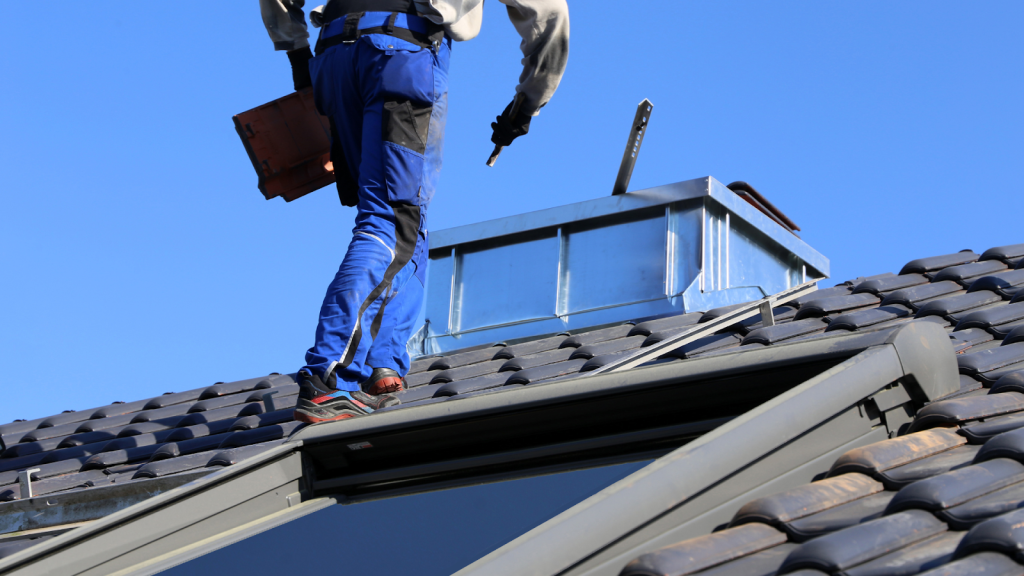
Key Takeaways:
- Your Layer Count Sets the Rules: Texas code caps your roof at two shingle layers, so if you already have two, a full tear-off is your only legal option, no exceptions.
- Tear-Offs Pay Off Long-Term: If you’re staying five or more years, a tear-off delivers the full shingle lifespan and avoids the heat damage that Texas summers inflict on the trapped bottom layer of a roof overlay.
- Look Beyond the Surface Before You Decide: Layer count matters, but so does what’s underneath. A thorough inspection helps determine whether your roof is a good candidate for a roof overlay vs a tear-off.
You’ve got two bids on the table. One contractor says overlay; the other says tear-off. The difference in price is significant, maybe $3,000 to $5,000, and you’re not sure which one is trying to upsell you, and which one is trying to cut corners.
Here’s the honest answer: neither contractor is automatically wrong. Both overlay and tear-off are legitimate roofing methods. The question isn’t which is better on paper; it’s which is right for your specific home, budget, and timeline.
This guide walks you through how to decide whether to do a roof overlay vs a tear-off, covering the criteria that actually matter: code requirements, warranty terms, Texas heat, and long-term cost.
What Is a Roof Overlay vs a Tear-Off?
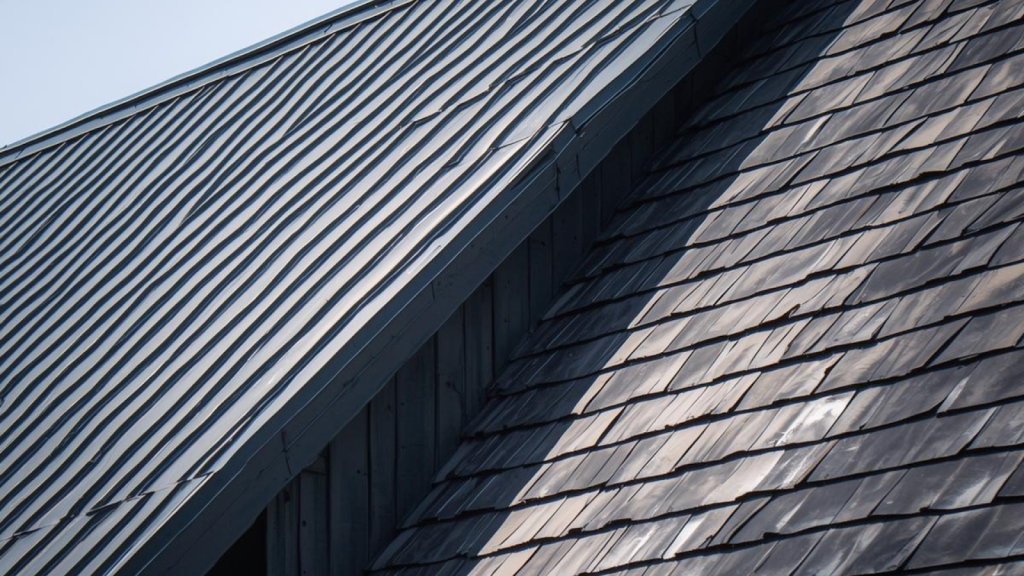
A roof overlay (also called a reroof) is when new shingles are installed directly over your existing layer. The old shingles stay on the roof, which means there is no tear-off labor or disposal fees for the removed materials. The crew shows up, lays new shingles over what’s there, and leaves. For a typical DFW home, a roof overlay generally takes one day; it’s the fastest and cheapest option on the day of the job.
A full roof tear-off means stripping the existing shingles and underlayment beneath them, down to the bare roof deck. The contractor inspects the deck, replaces any damaged or rotted sheathing, installs fresh underlayment, and builds the new roof from the deck up. For a typical DFW home, a roof tear-off generally runs one to three full days, costs more upfront, and generates a dumpster’s worth of debris.
What Texas Building Code Says About Roof Layers
Most Texas jurisdictions adopt the International Residential Code (IRC), which limits the total number of roof layers to two. That rule applies statewide in the vast majority of municipalities.
What this means practically: if your home currently has one layer of shingles, an overlay may still be code-legal. If your home already has two layers, which is not uncommon in older DFW neighborhoods, a tear-off is legally required before any new shingles can go on.
Before you can decide, you need to know your current roof layer count. A professional roofer can determine this two ways:
- a visual inspection at the eaves, where the edge of each layer is visible
- an attic inspection, which can reveal whether the deck has been loaded more than once.
Any contractor bidding an overlay on your home should be doing this check before quoting, not after.
Five Factors That Determine Overlay vs Tear-Off for Your Home
Your Current Layer Count
One layer: an overlay may still be an option, depending on the other factors below.
Two layers: a tear-off is the only legal path forward, no exceptions. This isn’t a contractor preference; it’s Texas building code. If a contractor bids you an overlay on a two-layer roof without mentioning this, that’s a problem.
The Condition of Your Roof Deck
This is the factor most homeowners overlook, and it’s arguably the most important one.
An overlay works only on a structurally sound deck. When you install new shingles over old ones, the deck below never gets inspected. Soft spots, rotted sheathing, moisture damage from an old, slow leak, all of it stays hidden. The new shingles go on top, and the problem underneath continues to worsen.
A tear-off forces eyes on the deck. If there’s damage, it gets repaired before the new roof goes on. If there isn’t, you know your foundation is solid.
How Long You Plan to Stay in the Home
If you’re selling your home within two to three years, a roof overlay may make financial sense. There’s little reason to invest in a 20-year roof when you won’t be around to benefit from it.
A recently installed overlay on a code-legal, one-layer roof will still pass a home sale inspection. Buyers and inspectors will note the layer count, but it’s rarely a dealbreaker if the installation is recent and documented. If your goal is getting the roof into presentable shape for a near-term sale without overspending, a roof overlay is a reasonable option.
However, if you’re staying five or more years in your home, the math shifts substantially toward a full roof tear-off. A properly installed tear-off gives you the full lifespan of the new shingles, which is typically 15-20 years for 3-tab shingles and 20-30 years for architectural shingles, and even longer for impact-resistant options.
Upfront Cost vs. Long-Term Cost
Overlays typically save $2 to $3 per square foot versus a tear-off, primarily by eliminating tear-off labor and disposal fees. On a 2,000-square-foot home (roughly 26–30 roofing squares), that translates to roughly $3,000 to $5,000 in upfront savings. That’s a considerable amount of savings, but you should run the numbers for both options over time.
If an overlay on that home costs $8,000 today and lasts 12 to 15 years, you’ll be back to paying for a full tear-off in a little over a decade, because by then, you’ll have two layers, and the only option is a tear-off.
A tear-off today at $12,000 to $13,000 that lasts 20-plus years costs less per year of coverage, and leaves no layer-count complications when it’s time to replace it again. Over the ownership period, the tear-off is the better investment.
Another cost that often gets missed when considering a roof overlay vs a tear-off, is disposal. A tear-off generates a dumpster’s worth of roofing debris, but it’s still significantly less than disposing of a two-layer roof, where you’ll be hauling off twice the volume and weight. Run the numbers to see whether an overlay or a tear-off makes more sense for you.
Warranty Coverage: What Each Roofing Option Qualifies For
This is the factor most contractors don’t explain clearly enough.
GAF, Owens Corning, and CertainTeed, the three dominant shingle manufacturers in the U.S., all tier their warranties by installation conditions. Their top-tier coverage programs require installation over a clean deck.
- GAF’s Golden Pledge warranty covers tear-off and disposal costs at replacement, and extends non-prorated coverage to 50 years. Among the requirements to qualify is installation over a clean deck. An overlay disqualifies the shingles installation from the Golden Pledge coverage.
- CertainTeed’s SureStart PLUS 5-Star warranty covers tear-off, labor, metal work, flashing, and disposal during repair or replacement. Similarly, this warranty coverage requires full system installation conditions.
- Owens Corning’s System Protection warranty includes tear-off and disposal coverage, and carries the same clean-deck requirement.
An overlay can still carry a limited materials warranty, but “limited materials” is a materially different level of protection than a full system warranty.
If a defect arises on an overlaid roof, you’re likely looking at materials coverage only, no labor, no tear-off, and no disposal. On a future warranty claim, that’s a significant difference in what you might receive.
If warranty coverage matters to you, whether for resale, peace of mind, or because you’re in a hail-active market like DFW or North Texas where claims are common, a tear-off is the only path to full protection.
What Texas Heat Adds to the Equation
The thermal dynamics in Texas makes the overlay vs tear-off calculation much different than it is in Minnesota or Oregon.
DFW attic temperatures regularly hit 150°F on summer afternoons. In July and August, that’s not a peak event, it’s a routine condition.
While shingles are engineered to handle heat, they’re not built to sit on top of another layer that traps and holds that heat overnight, which never allows them to fully cool down. This causes shingles to dry out faster, granules to loosen sooner, and the seal strips that hold them flat in the wind to fail ahead of schedule. In short, you get less life out of the shingles you paid for.
And, it’s not just the shingles. When airflow is restricted, heat builds up in the attic and never fully escapes. Adding a second shingle layer only makes it worse.
A tear-off gives you the chance to address the root cause, allowing roofers to inspect the soffit vents, ridge vents, and the balance between intake and exhaust in the attic, before the new roof goes on. An overlay skips that opportunity entirely.
What to Watch for When Comparing Roofing Bids
A few specific things to look for as you evaluate contractor proposals:
- A contractor who recommends an overlay without inspecting the deck first. No one can responsibly recommend an overlay without knowing the deck condition. If the bid is delivered off a satellite measurement and a quick driveway look, the contractor hasn’t done the work to earn that recommendation.
- A tear-off bid that doesn’t include a decking repair allowance. Some damage is found only after the old shingles come off. A reputable contractor builds in a per-sheet allowance for damaged sheathing (typically $50 to $100 per sheet) so repairs don’t become a surprise charge mid-job.
- An overlay bid that doesn’t specify underlayment. Some overlay contractors skip new underlayment entirely, laying new shingles directly over old ones. That’s a shortcut. Ask your contractors specifically: is new underlayment included?
- Warranty language that’s vague. Any contractor should be able to tell you exactly which manufacturer warranty applies and whether the installation qualifies for top-tier coverage. If the answer is vague, that’s a red flag.
How to Decide: A Simple Framework for Homeowners
Run through these questions in order:
- How many layers do I currently have? If two, a tear-off is the only legal option. The rest of this checklist doesn’t apply.
- Is my deck in verified good condition? If unknown, meaning no contractor has inspected it, that answer needs to come before any contract is signed.
- Am I planning to stay in this home for five or more years? If yes, lean toward a tear-off. The long-term cost and performance math supports it.
- Do I want access to a full manufacturer warranty? If yes, a tear-off is the only qualifying path.
- Is my main priority saving money upfront, and am I selling in the near term? If both are true, an overlay on a one-layer, structurally sound roof may be an acceptable option, with documented disclosure for the eventual buyer.
For most Texas homeowners planning to stay in their homes long-term, a full tear-off is the right call. That’s not a contractor preference; it’s what the code requirements, warranty terms, the climate data all point to.
Get a Clear Answer Before You Commit
Both contractors on your bid list may be giving you the right recommendation. The problem is, they may be working from different assumptions about your roof.
The only way to know which roofing method best serves your home, is to get a proper deck inspection, not a layer count from the ground or an assumption based on what your neighbors needed for their roof.
Results Roofing will come and inspect your deck for free, and give you a straight answer. Schedule a Free Inspection or call (469) 218-8983. We serve Carrollton, Dallas, Fort Worth, Plano, and the full DFW metro, plus Houston, Austin, and San Antonio.
Frequently Asked Questions
Is a roof overlay ever a good idea for a Texas home?
An overlay can be appropriate on a home with one existing shingle layer, a verified structurally sound deck, and an owner who plans to sell in the near to mid-term. In that specific combination of circumstances, the upfront savings are real and the tradeoffs are manageable. For homeowners staying long-term in a Texas climate, the heat dynamics and warranty limitations make a full tear-off the stronger choice in most cases.
How do I find out how many shingle layers my home currently has?
The cleanest way is a physical inspection at the roof edge, where layer count is visible, combined with an attic inspection. Any contractor proposing an overlay should be doing this as part of their assessment. You can also check your home’s permit history for layer count. If a prior owner pulled a permit for a reroof, the permit records may indicate whether it was a tear-off or overlay.
Will an overlay void my shingle warranty?
An overlay does not void a manufacturer’s basic materials warranty, but it typically disqualifies the installation from top-tier warranty programs, such as GAF’s Golden Pledge, CertainTeed’s SureStart PLUS 5-Star, and Owens Corning’s System Protection, which all require installation over a clean deck. On an overlaid roof, a warranty claim is likely covered for defective materials only, not for labor, tear-off, disposal, or related costs.
Does an overlay affect my homeowner’s insurance claim?
An overlay itself is not a disqualifier for filing a claim, but the condition of the roof underneath it can be. If an adjuster determines that pre-existing damage contributed to the current loss, coverage may be reduced. If you file a claim on an overlaid roof and replacement is required, you’ll be paying tear-off and disposal costs that a full system warranty would have covered.
How much cheaper is an overlay versus a tear-off?
The upfront savings typically run $1 to $2 per square foot, or roughly $3,000 to $5,000 on a standard single-story Texas home. Those savings are real. The question is whether they hold up over the ownership period when you account for a shortened shingle lifespan, the eventual mandatory tear-off, double disposal costs at the next replacement, and the absence of full warranty coverage.
What should I expect to pay for decking repairs during a tear-off?
Reputable contractors typically quote a per-sheet allowance for damaged sheathing discovered after tear-off, which is commonly $50 to $100 per sheet of oriented strand board (OSB). Not every job requires deck repairs, but a contractor who doesn’t address this in their bid is either assuming perfect conditions or leaving a cost variable unresolved until mid-job.
Can a contractor tell me the deck condition without doing a tear-off first?
A partial answer, yes. Soft spots often reveal themselves from the attic, sagging, staining, or visible deterioration of the underside of the sheathing. An experienced contractor can identify high-risk areas through attic access before a single shingle is removed. A full deck condition assessment, however, isn’t possible until the old material is off.