
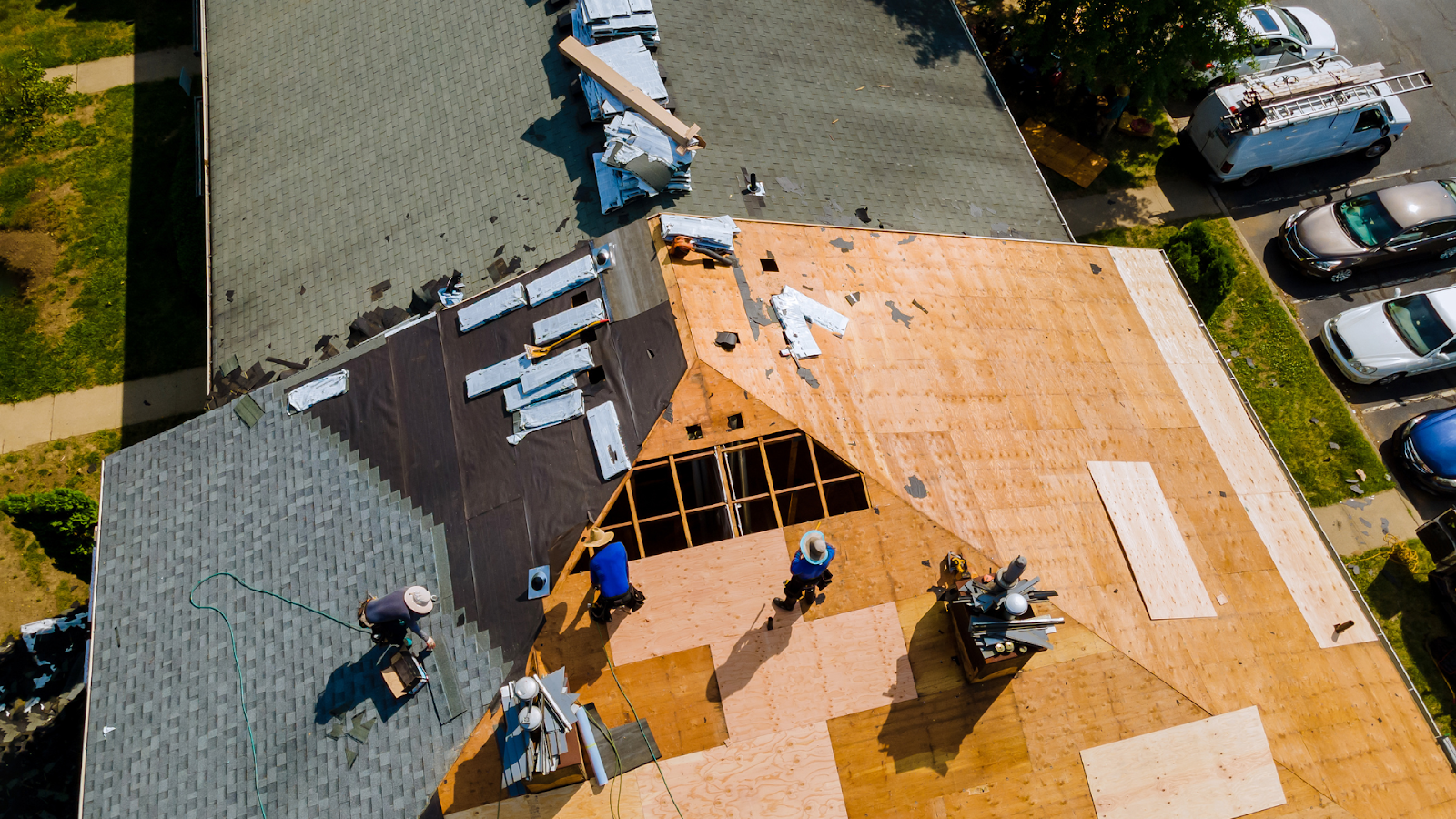
It’s commonly said that roofs last 20-25 years. And while that is true for some roofing materials, that estimate is just that, an estimate. In truth, your roof’s lifespan depends on a range of factors: what it’s made of, where you live, how it was installed, and whether it’s been maintained. A roof in Texas undergoes significantly different wear-and-tear than a roof in New York.
So, how long does a roof last? Read on to learn all about roofs’ lifespans by material type, as well as the factors that can shorten or extend the lifespan of your roof.
Asphalt
Asphalt shingles are the most common roofing material in the US, and for good reason. They’re cost effective, widely available, and relatively easy to install. Asphalt shingles come in three types:
- 3-tab shingles: Made from a single layer, 3-tab shingles are the most inexpensive.
- Laminate: Laminates are named for their multi-layered design.
- Luxury: Luxury asphalt shingles are considered premium and are designed to look like more expensive roofing materials.
How Long Does an Asphalt Roof Last
Asphalt roofs’ lifespan can vary based on the type of shingle:
- 3-tab: 15-20 years
- Architectural: 20-30 years
- Luxury: 30-50 years
Factors that affect asphalt shingles’ lifespan include:
- Heat and UV exposure: Heat plays a significant role in asphalt shingles’ lifespan. Constant UV exposure can cause shingles to dry out, crack, and curl faster than in cooler climates.
- Storms: Strong wind can easily dislodge asphalt shingles, particularly 3-tab styles. It also speeds up the deterioration of granules, the protective coating on the surface of shingles.
- Poor ventilation: Roof ventilation issues cause hot air to become trapped in your attic, which heats up shingles and traps moisture. This can cause asphalt shingles to dry out or deteriorate more quickly.
- Poor installation: Asphalt shingle roofs that are installed incorrectly also have shorter lifespans.
To extend the lifespan of your asphalt roof, consider the following:
- Using impact-resistant shingles: These asphalt shingles are designed for areas with severe weather, like Texas. They use a polymer-modified asphalt, which gives shingles some bend. Rather than snapping in severe weather, they can bounce back to their original shape.
- Get regular roof maintenance: Your roof should be inspected and maintained twice yearly to identify problems before they become serious. During regular roof maintenance, your inspector can replace damaged shingles and prevent more significant problems.
Metal
Metal roofing has surged in popularity over the past several years, largely due to its extended lifespan. They deflect heat and are highly resistant to wind, hail, and fire. The most common materials for these roofs include steel panels, aluminium panels, and copper or zinc.
How Long Does a Metal Roof Last
Metal roofs have much longer lifespans than asphalt:
- Steel panels: 40-50 years
- Aluminium panels: 50 years
- Copper or zinc: 70-100 years
The primary factor affecting the lifespan of a metal roof is poor installation. When installed incorrectly, metal roofs can experience the following issues:
- Leaks: If seams aren’t handled correctly, or flashing isn’t installed well, metal roofs can cause leaks.
- Low-quality coatings: Skimping on protective coatings can cause faster deterioration.
- Galvanic corrosion: When certain types of metal are installed next to one another, they can cause a reaction known as galvanic corrosion, which corrodes metal. A good roofer will know which metals can and cannot be installed next to one another.
To help your metal roof last longer, follow these steps:
- Choose an experienced roofing company: It all comes down to installation. Don’t short yourself when it comes to your roofing company. It will cost you down the line
- Get regular inspections: During inspections, roofers will check your seams and fasteners to ensure everything is secure and leakproof.
- Recoat as needed: Coatings improve durability, waterproofing, and UV resistance. If you notice pinholes or rusting on your roof, it’s time to recoat.
Tile
Clay and concrete tile roofs are highly durable. They can handle heat, UV exposure, and moisture exceptionally well.
How Long Does a Tile Roof Last
Depending on the type of tile you have, your tile roof may outlast you:
- Concrete tile: 40-50 years
- Clay tile: 50-100 years
That said, tile roofs can have a few significant problems that affect their lifespan. These include:
- Underlayment concerns: While the tiles themselves last a long time, the underlayment they’re installed on top of typically needs to be replaced every 15-20 years. Problems with underlayment can cause serious waterproofing issues.
- Weight: Tiles break easily underfoot. The more they’re walked on, the higher chance of cracking. Cracked tiles can cause damage to the substrate beneath.
To extend the lifespan of your tile roof, be sure to address problems immediately. Whether a cracked tile or an issue with the underlayment, small issues can balloon into significant damage.
Other Roofing Materials
While asphalt, metal, and tile are among the most common roofing materials, they’re not the only ones. Let’s review other common materials and their expected lifespan.
Wood Shake
When cared for correctly, wood shake shingles can last 20 to 30 years, but they require more maintenance than other roofing materials. In humid environments, they can grow algae and moss, rot, and are prone to insect damage. They’ll need to be cleaned annually and repaired promptly to reach that 20 year mark.
Slate
Slate is one of the most durable roofing materials available, often reaching between 75 and 150 years. That said, it’s very expensive. Not only is the material itself costly, but it requires specialized installation and repair. While problems are uncommon, when they do arise they can be extremely expensive.
Synthetic/Composite Shingles
Synthetic roofing products like rubber, plastic, and recycled materials are designed to mimic the look of slate or wood shake, but at a much lower cost. These typically last between 30 and 50 years, a significant lifespan for a roof. Better yet, many have 50-year manufacturer warranties that can be used for repairs.
How Long Will Your Roof Last?
Your roof’s actual lifespan depends on a number of variables: the material, its wear and tear, how it was installed, and how it is maintained. The only way to truly understand how much life your roof has left in it is to have a roof inspection.
At Results Roofing, we offer free first-time roof inspections. Our team will assess your roof, where it stands, and what needs attention. Whether you’re in Dallas, Fort Worth, Houston, Austin, or San Antonio, we’re here to give you an honest picture of your roof’s lifespan. Schedule your free inspection today.