
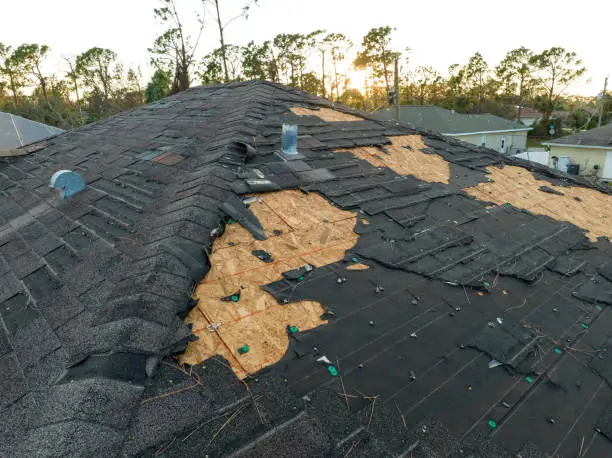
For most people, their roof is part of their house that they rarely think about until something goes wrong. Unfortunately, roofing problems wreak silent havoc, and by the time damage is apparent, it’s usually too late.
If you’re looking to avoid costly damage to your attic, ceiling, and foundation, it’s essential to know a few key roofing concerns that can cause serious damage. Read on to learn 5 things that may be quietly destroying your roof. We’ll cover what they are, what causes them, and roof maintenance tips to protect your home.
Poor Ventilation
Poor roof ventilation has all kinds of downstream effects. It can cause mold growth in your attic, unnecessary wear-and-tear on your shingles, and poor energy efficiency in your home. If you find that your attic is always stuffy and your house never feels quite comfortable, you may have issues with your roof ventilation.
What Causes It
There are multiple parts to a roof ventilation system: intake vents, for bringing in cool air, exhaust vents, for letting out warm air, and rafter vents, which keep an open channel for air to flow in and out. If any of these elements stops working properly, you’ll end up with poor ventilation.
Common causes of poor ventilation in roofing systems include:
- Obstructions: Leaves, insulation, or critters’ nests block intake and exhaust vents
- Displacements: Rafter vents can also become displaced, blocking necessary airflow channels
Roof Maintenance Tips to Prevent It
Inspecting roof ventilation systems is a standard part of roof maintenance. For the best possible results, have your roof inspected twice each year, spring and fall, as well as immediately following major storms. As part of your regular roof maintenance, we’ll clear debris, inspect for mold, and verify your ventilation system is working correctly.
Undetected Granule Loss
Roof shingles are coated with protective mineral particles that serve a number of essential functions:
- Protection: Granules protect against UV rays, sun damage, water damage, and weathering.
- Energy efficiency: They also reduce the amount of heat absorbed by your shingles, improving your home’s overall energy efficiency.
When granule loss goes undetected, your shingles lose their protective coating and are exposed to all kinds of damage, from cracking and curling to roof leaks and more.
What Causes It
Granule loss over time is normal; it most commonly occurs once your roof shingles reach between 15 and 20 years old. That said, granule loss is accelerated by a number of different factors, including:
- Severe weather: Hail, strong wins, and storms can blow or knock granules off your shingles.
- Poor ventilation: A very hot attic can heat your shingles, which causes their adhesive surface to wear more quickly, releasing granules at a faster rate.
- Improper installation: An inexperienced or unprofessional roofer may install shingles correctly, causing granules to wear more quickly than normal.
Roof Maintenance Tips to Prevent It
To protect your shingles and prevent accelerated granule loss, follow these roof maintenance tips:
- Hire an experienced roofing company: Inexperienced roofers can make minor installation mistakes that lead to major problems. Only work with an experienced roofing company with the years and customers to back them up.
- Get regular inspections: Twice-yearly inspections give your roofing company the necessary information to quickly identify excessive granule loss before it can do damage.
Flashing Separation
Roof flashing is used to prevent water from leaking into your roof, causing mold, rot, and leaks inside your home. This metal material is placed anywhere that’s vulnerable to leakage, like edges, joints, and vents, and directs water away from the roof.
Flashing separation occurs when roof flashing becomes loose, dislodges, and lifts away from the home, allowing water to seep in. It can lead to leaks in your walls and ceilings, mold growth in your attic, and wood rot that leads to structural damage.
What Causes It
Flashing separation most commonly happens in spots where the roof meets another object, whether that’s a chimney or a vent. It can be caused by:
- Damaged seals: Age, excessive sun exposure, and rust deteriorates caulk or cement seals.
- Severe weather: Storms and winds can pull flashing away from the roof, creating cracks for water to seep in.
- Settling: When houses settle, the movement may break seals and loosen flashing.
- Temperature swings: Metal expands in heat and contracts in cold. In places where temperatures exceed 100 degrees in summer and drop to freezing in winter, this expansion and contraction can loosen flashing over time.
Roof Maintenance Tips to Prevent It
Regular roof inspections and inspections immediately following storms are your best way to prevent flashing separation. If you notice roof leaks or mold growth in the attic and suspect flashing separation, contact your roofing company immediately. We can address problems before they lead to serious structural damage.
Clogged Gutters
Like roof flashing, roof gutters are designed to protect the structural integrity of your home. These channels, which sit along your roofline, direct water away from your home so it can properly drain.
When your roof gutters clog, your home becomes susceptible to a host of different problems:
- Roof damage: Standing water on your roof can rot your roof decking and cause structural damage.
- Foundational damage: Gutters are designed to direct water somewhere it can properly drain. Clogged gutters overflow randomly, causing water to pool around the foundation of your home. This can lead to cracks in your foundation, basement flooding, and other issues.
- Exterior damage: Water that runs down your doors, windows, and the sides of your house can lead to exterior damage.
- Mold and mildew: Standing moisture encourages mold growth.
- Pest damage: Puddles of standing water become breeding grounds for mosquitoes and other pests.
What Causes It
Gutter clogs are most commonly caused by a buildup of leaves, twigs, and other debris in your gutters, blocking the flow of water. Other issues that clog gutters include:
- Excessive granule loss: When granules fall off your shingles, they often build up in your gutters.
- Rodent and bird nests: Mice, rats, and birds tend to build nests in gutters and block the flow of water.
- Poor installation: Poorly installed gutters clog much more easily.
Roof Maintenance Tips to Prevent It
Twice-per-year gutter cleanings are essential to keeping your gutters functioning. Another gutter cleaning may be necessary after severe weather, especially with strong winds. Follow these additional roof maintenance tips to keep your gutters flowing:
- Trim nearby trees: Trim tree branches that hang over your gutters to limit the accumulation of leaves, twigs, and other debris.
- Use gutter guards: These mechanisms shield your gutters, making it impossible for debris, rodents, and other obstructions to get into them and cause clogs.
- Install larger downspouts: Larger downspouts help debris flow through your gutters, rather than getting stuck.
DIY Repairs
DIY roof repairs may feel like an enticing way to save a buck, but they’ll cost you in the long run. In addition to the safety risks and potential for costly mistakes, DIY repairs often void the warranties on your roofing materials and services. That means you’ll be left responsible for the cost of any future repairs or new materials.
Stay Ahead of Your Roof Maintenance with Results Roofing
Roof issues can come in many forms: water damage, shingle wear, energy efficiency loss, and more. Even worse, problems that start in with your roof can end up harming your attic, ceiling, windows, and even foundation. Preventative maintenance is essential for avoiding problems down the line.
Have your roof inspected and maintained twice per year and always after a storm. Your professional roofing technician will look for damaged shingles and flashing, clogged gutters, and other signs of potential problems. Best of all, your first inspection with Results Roofing is on us. Get your free roof inspection today.